Updated October 13, 2026
ISO is the sensitivity of your camera to available light. The higher the ISO, the brighter your photo will be, and the lower the ISO, the darker it will be. The trade-off is grain: the higher you go, the grainier the photo. I’m Katie Donnelly, a Paris photographer, and here is how I use ISO.
What You’ll Find in This Blog:
What Is ISO?
There sure are a lot of acronyms to deal with when working in digital photography, amirite? So, this time, ISO.
A little preface: ISO goes along with the posts on aperture and shutter speed.
ISO is the sensitivity of your camera to available light. The lower you keep the ISO the less sensitive it is to the light and the other way around.
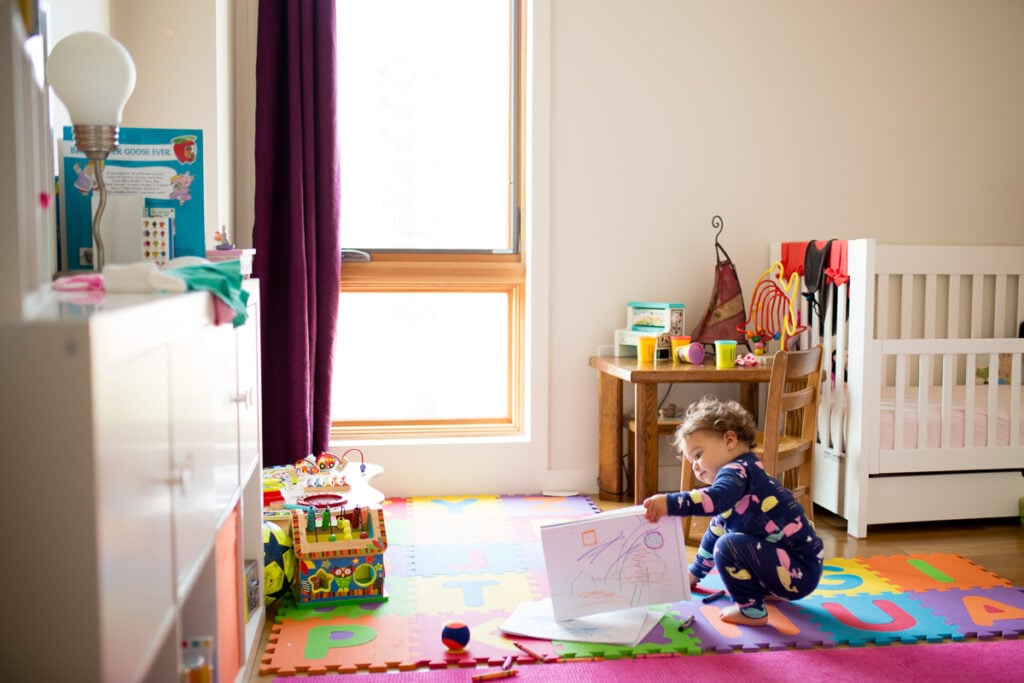
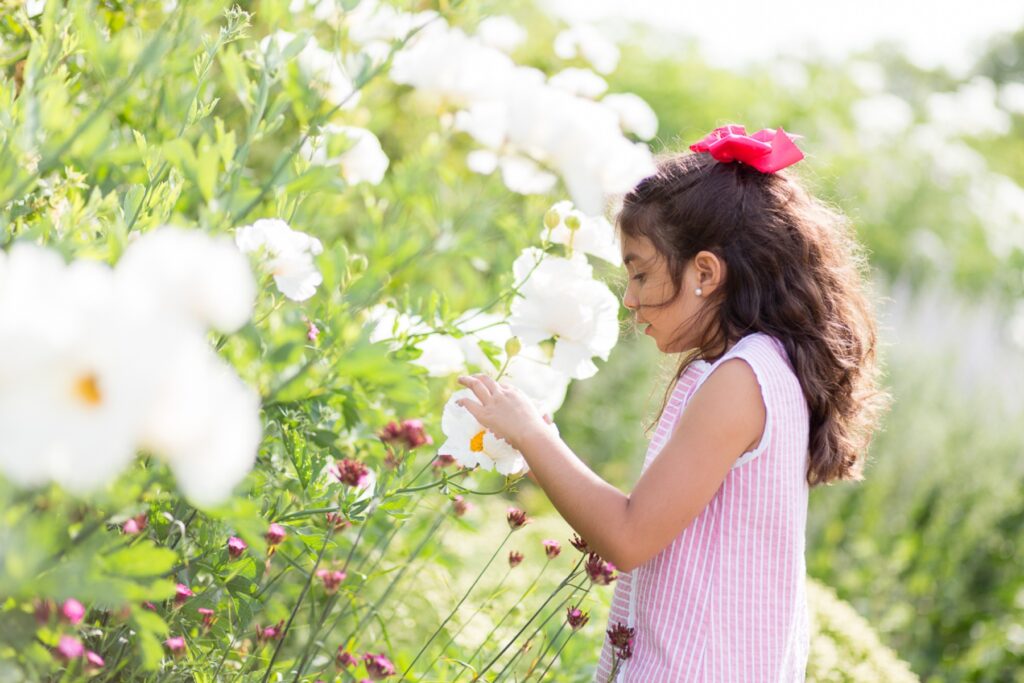
1/250th sec || f 1.8 || ISO 800
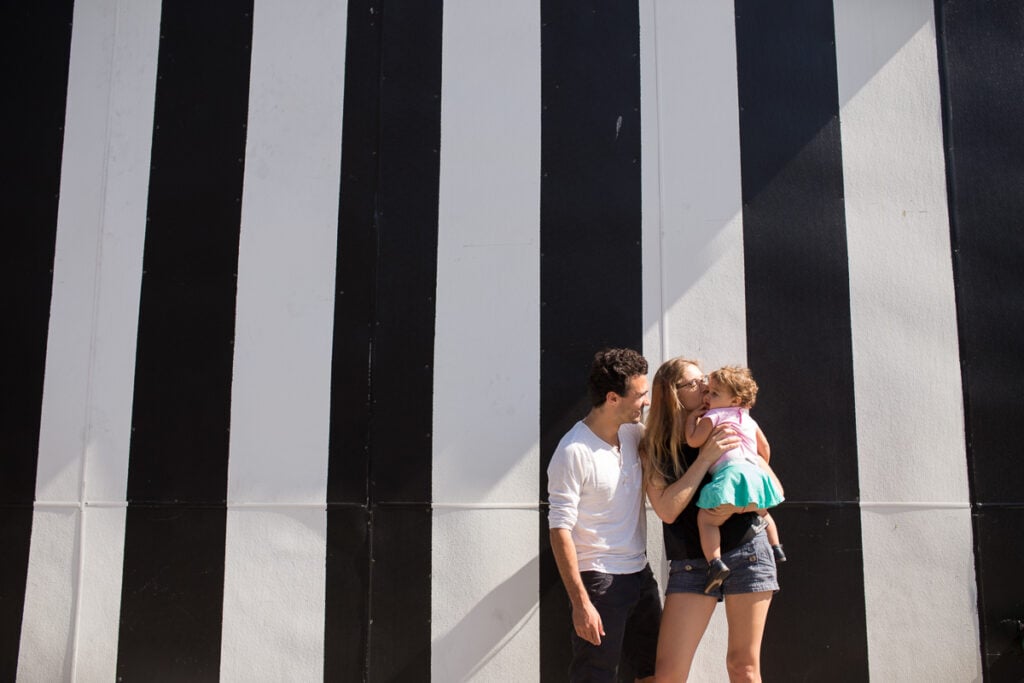
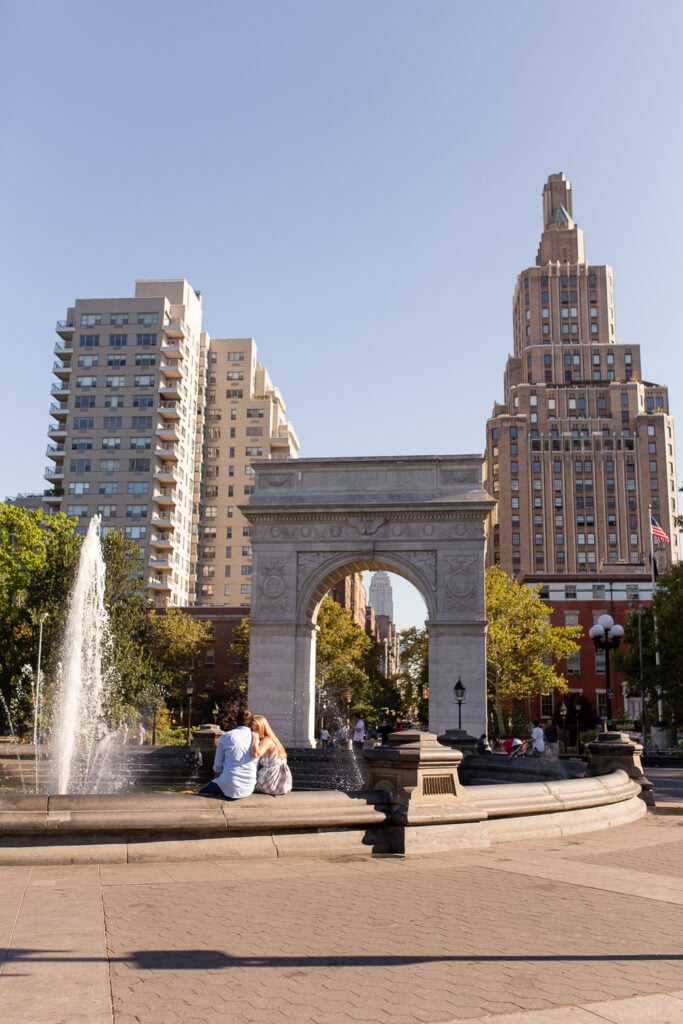
1/1600th sec || f 2.2 || ISO 100
How to Use ISO
AKA in really simple terms, the higher the ISO the BRIGHTER the photo will be. The lower the ISO the DARKER your photo will be. BUT, the higher the ISO, the grain and focus will be worse so ideally, we keep the ISO low and use it as a last resort if we are in locations with low light (like indoors). Personally I keep my ISO at 100 and during shoots will go up to about ISO800 if the sun is going down and I need more light in my photos.
Easy trick: if you’re photographing somewhere indoor or outdoor and there is not much light you can switch your ISO a few stops up in order to catch more of the natural light available.
- Bright sun outside: ISO 100.
- Shade, or a cloudy day: go up a few stops if you need more light.
- Indoors or at dusk: I go up to about ISO 800.
This lesson is part of The Authentic Portrait: A Parent’s Guide to Documenting Childhood, my photography guide for parents who want to learn the basics and take better photos of their kids, without spending hours and hours taking classes. I am working on a new edition of the guide. Until it is ready, you can read every lesson in The Authentic Portrait series.
Next lessons: what is aperture, what is shutter speed, what is white balance, and common photo mistakes.
Always the one behind the camera?
Hand it over for a morning. Our English-speaking team photographs families in Paris, so you are in the photos too. Sessions start at €150, and you see your photos the same day in our Saint-Germain studio.
Or first see how a Paris photoshoot with us works.
ISO Questions
ISO is the sensitivity of your camera to available light. A low ISO is less sensitive to light and a high ISO is more sensitive.
Keep ISO as low as you can. Katie keeps her ISO at 100 and goes up to about ISO 800 when the sun is going down or she is indoors.
Yes. The higher the ISO, the more grain and the less sharp the photo, so raise it only when you need more light.
Aperture, shutter speed and ISO. The three work together to make your photo exactly how you want it to look.
About the author
Katie Donnelly, Paris Photographer
Katie Donnelly is an American photographer who opened her Paris studio in 2013 and was voted Best Portrait Photographer in Paris in 2017. She and her English-speaking team photograph families, couples and solo travelers at sunrise, so visitors go home with relaxed, real portraits instead of rushed selfies. Meet Katie and the team.
Ready to Book Your Paris Photoshoot?
You take the everyday photos. Let us take the ones with you in them.
- When: Mornings, just after sunrise, when the city is quiet
- Who: Families, couples, engagements and proposals, and solo travelers, with an English-speaking team
- Your photos: Viewed the same day at our studio in Saint-Germain-des-Prés
- Session fee: From €150. Inquire for our full price list.
Tell us your dates and we will help you plan the rest.
Or first see how a Paris photoshoot with us works.