Updated October 13, 2026
Aperture is how large or small the opening in your lens is when you take a photo. It is measured in f-stops: low numbers like f/1.4 let in tons of light and give you a blurry background, and high numbers like f/16 let in very little light and keep everything sharp. I’m Katie Donnelly, a Paris photographer, and this is the first lesson in my series on using the manual mode of your camera.
What You’ll Find in This Blog:
The Three Musketeers: Aperture, Shutter Speed and ISO
I’ve got something amazing I’ve been working on that I want to share with you guys. It’s a 15-part series (every other week until October!) within the Authentic Portrait where we take a deeper look into using the manual mode of your camera. We’ll go over things that have got you stumped, like aperture and white balance as well as some fun stuff like common mistakes you didn’t realize you were making and how to look good in photos (don’t we all need that?).
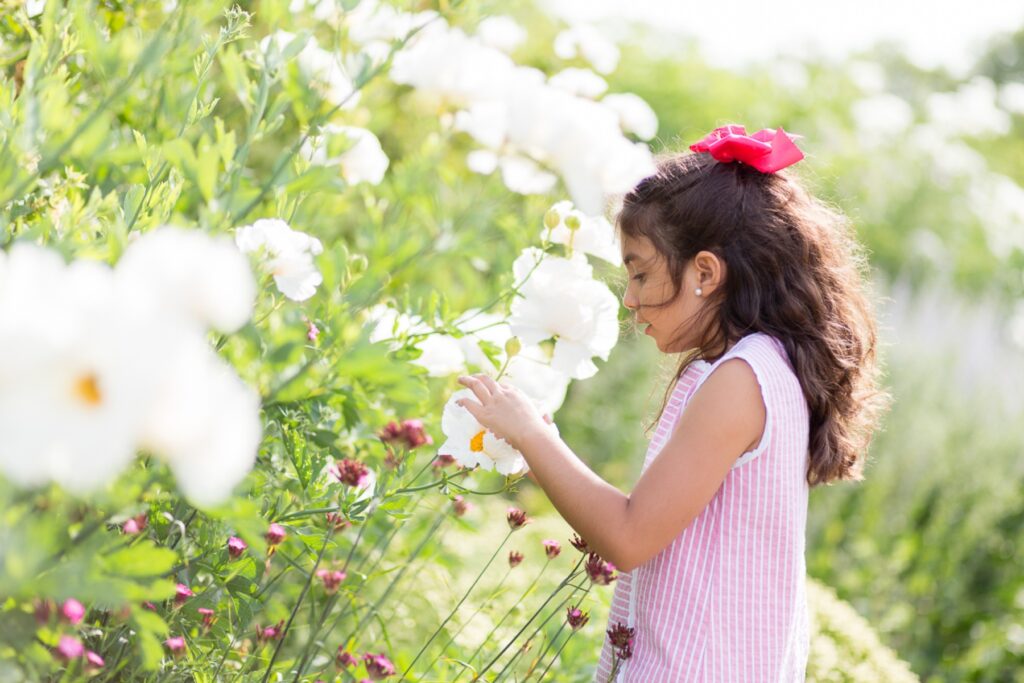
So…today we are talking about aperture! It is one of the three basics of how a camera functions, along with shutter speed and ISO.
They are the trifecta of photo making…
Huey, Dewey and Louie…
Dare I say the three musketeers !
They work together to make your photo exactly how you want it to look.. totally in focus, blurry, motion, frozen action, grainy, bright, dark… whatever you want, these guys have!
What Is Aperture?
Aperture is how large or small the shutter opens.
It is measured in numbers called f-stops. The lower numbers like f2.8 and f1.4 mean the shutter is wide open letting tons of light in, and the higher numbers like f16 and f22 mean the shutter is only open a tiny bit, letting a very small amount of light in.
Think of aperture like your eye pupil. When it’s dark your pupil gets very large, and when it’s very light, your pupil gets super small!
How Aperture Changes Your Photos
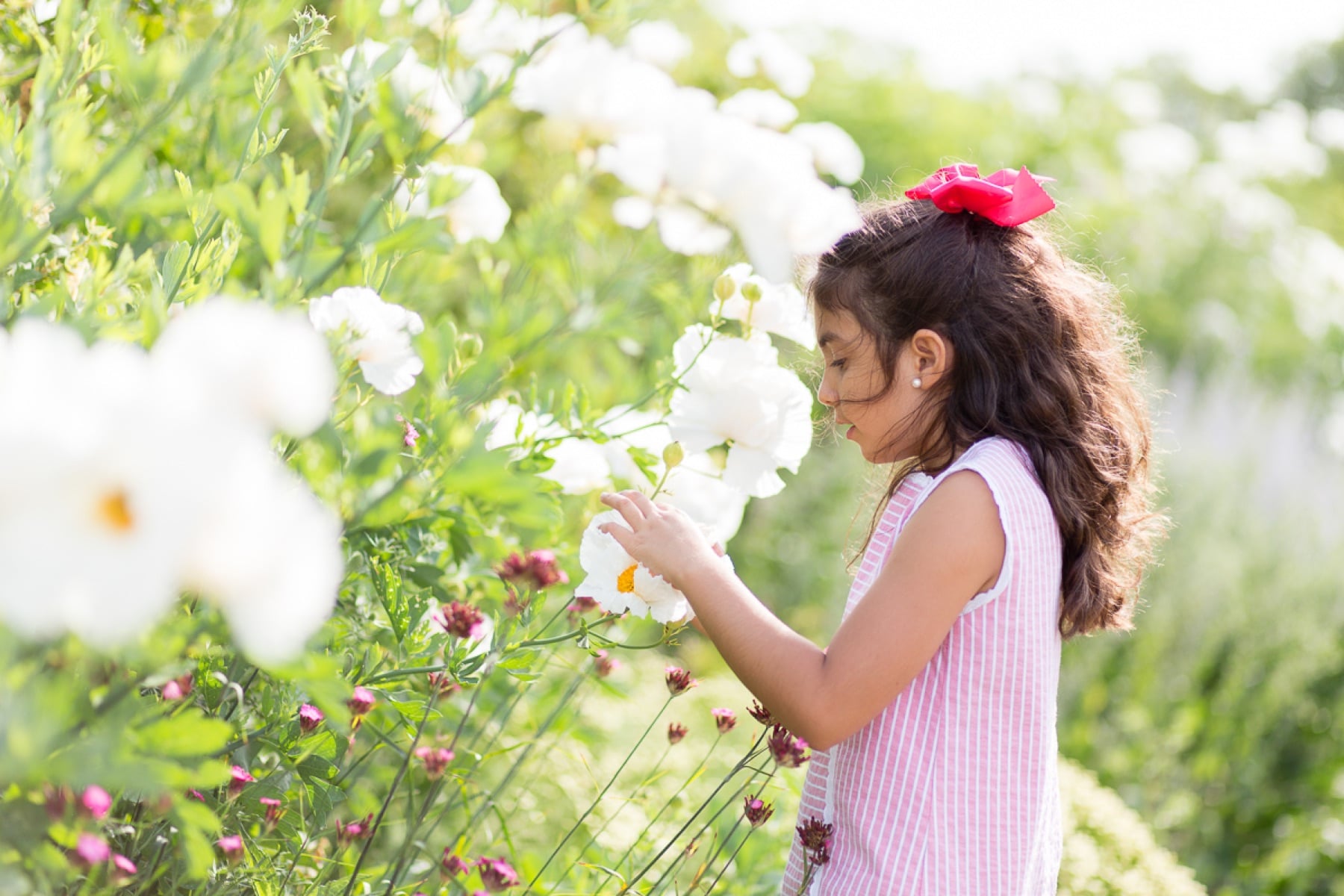
Aperture affects photos in huge ways, it’s how you get that gorgeous blurry background (also known as bokah, pronounced like Boca but without the retirees). To get photos that are sharply focused everywhere – perfect for landscape photos – you’re going to want to use a higher aperture.
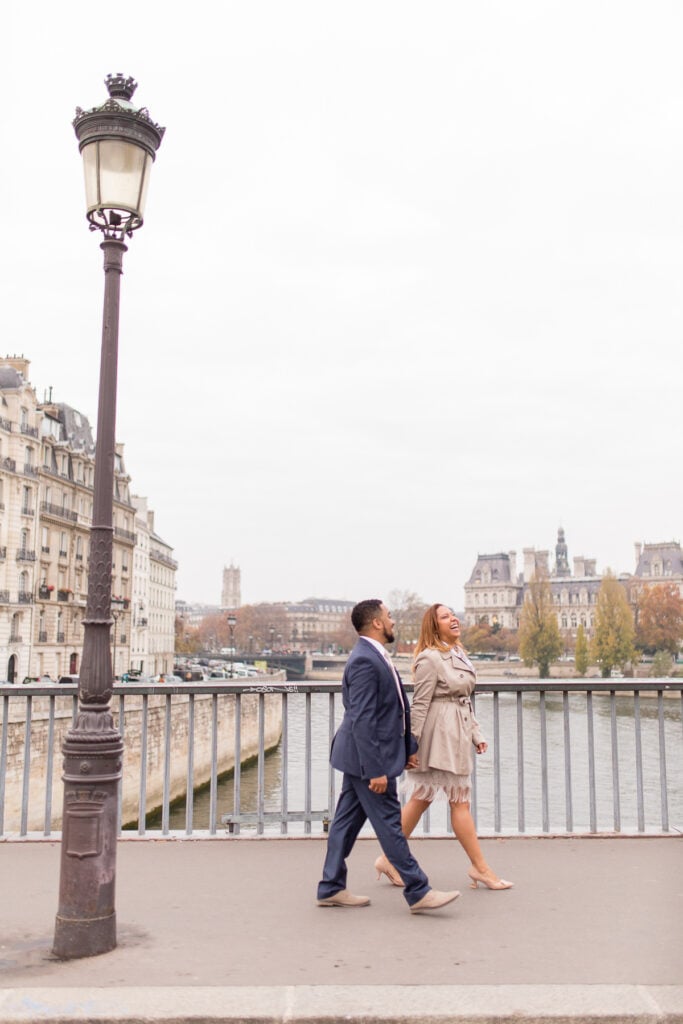
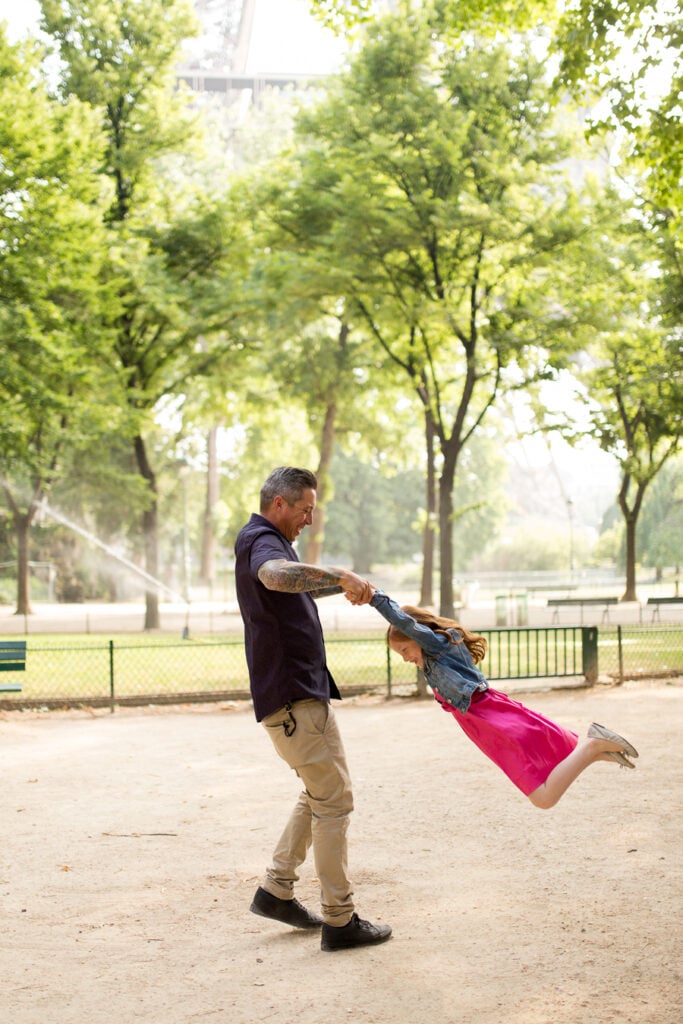
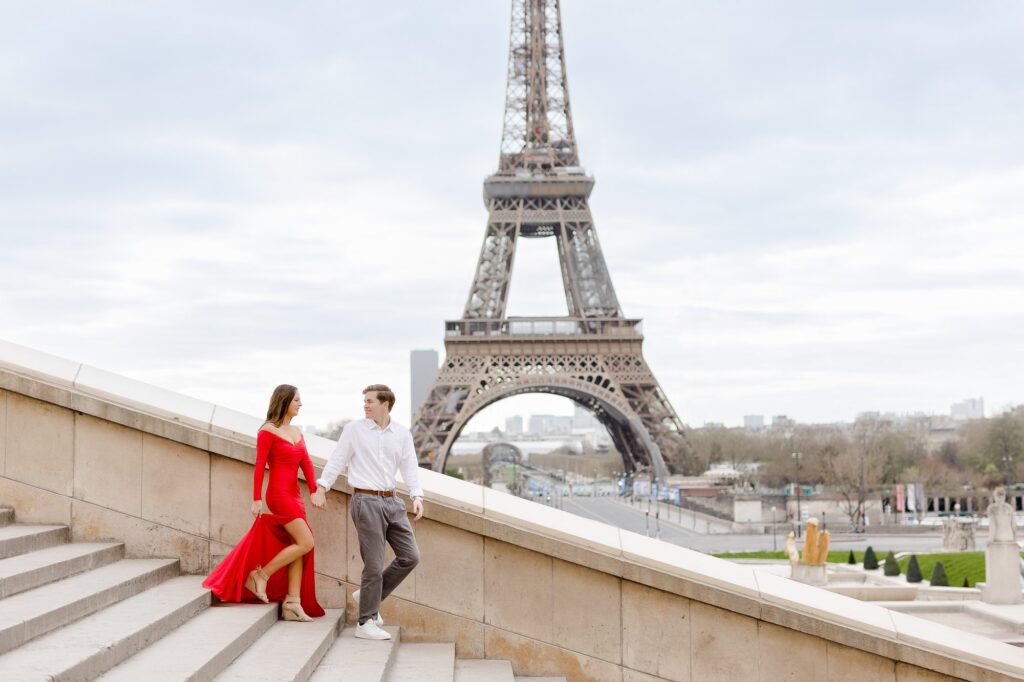
Here are a few examples of different apertures of the same scene:
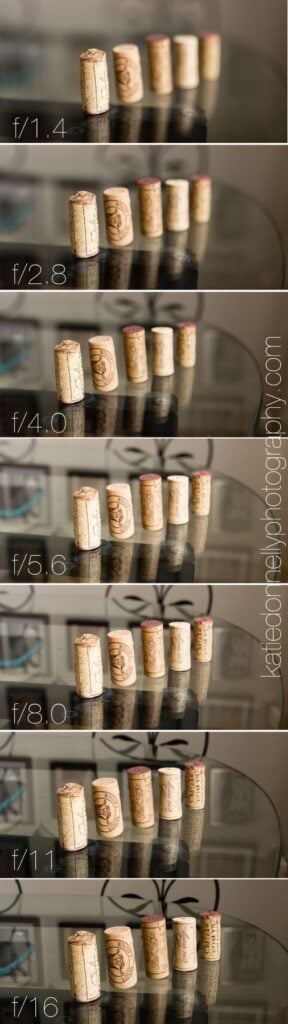
See the difference?! Crazy right!? Now let’s see you try it!
- For portraits with a soft, blurry background, use a low number like f/1.8 or f/2.8.
- For kids who are moving around, avoid the very widest apertures like f/1.4 or f/1.8, so more of them stays in focus.
- For landscapes that are sharp everywhere, use a higher number like f/16.
This lesson is part of The Authentic Portrait: A Parent’s Guide to Documenting Childhood, my photography guide for parents who want to learn the basics and take better photos of their kids, without spending hours and hours taking classes. I am working on a new edition of the guide. Until it is ready, you can read every lesson in The Authentic Portrait series.
Next lessons: what is shutter speed, what is ISO, the differences between lenses, and the ultimate beginner’s guide to portrait photography.
Always the one behind the camera?
Hand it over for a morning. Our English-speaking team photographs families in Paris, so you are in the photos too. Sessions start at €150, and you see your photos the same day in our Saint-Germain studio.
Or first see how a Paris photoshoot with us works.
Aperture Questions
Aperture is how large or small the lens opens to let light in. It is measured in f-stops.
Lower numbers like f/1.4 and f/2.8 mean the lens is wide open, letting tons of light in. Higher numbers like f/16 and f/22 mean it is only open a tiny bit, letting a very small amount of light in.
Use a low f-stop number, such as f/1.8 or f/2.8. That soft, blurry background is called bokeh.
A higher aperture, such as f/16, keeps the photo sharply focused everywhere.
About the author
Katie Donnelly, Paris Photographer
Katie Donnelly is an American photographer who opened her Paris studio in 2013 and was voted Best Portrait Photographer in Paris in 2017. She and her English-speaking team photograph families, couples and solo travelers at sunrise, so visitors go home with relaxed, real portraits instead of rushed selfies. Meet Katie and the team.
Ready to Book Your Paris Photoshoot?
You take the everyday photos. Let us take the ones with you in them.
- When: Mornings, just after sunrise, when the city is quiet
- Who: Families, couples, engagements and proposals, and solo travelers, with an English-speaking team
- Your photos: Viewed the same day at our studio in Saint-Germain-des-Prés
- Session fee: From €150. Inquire for our full price list.
Tell us your dates and we will help you plan the rest.
Or first see how a Paris photoshoot with us works.