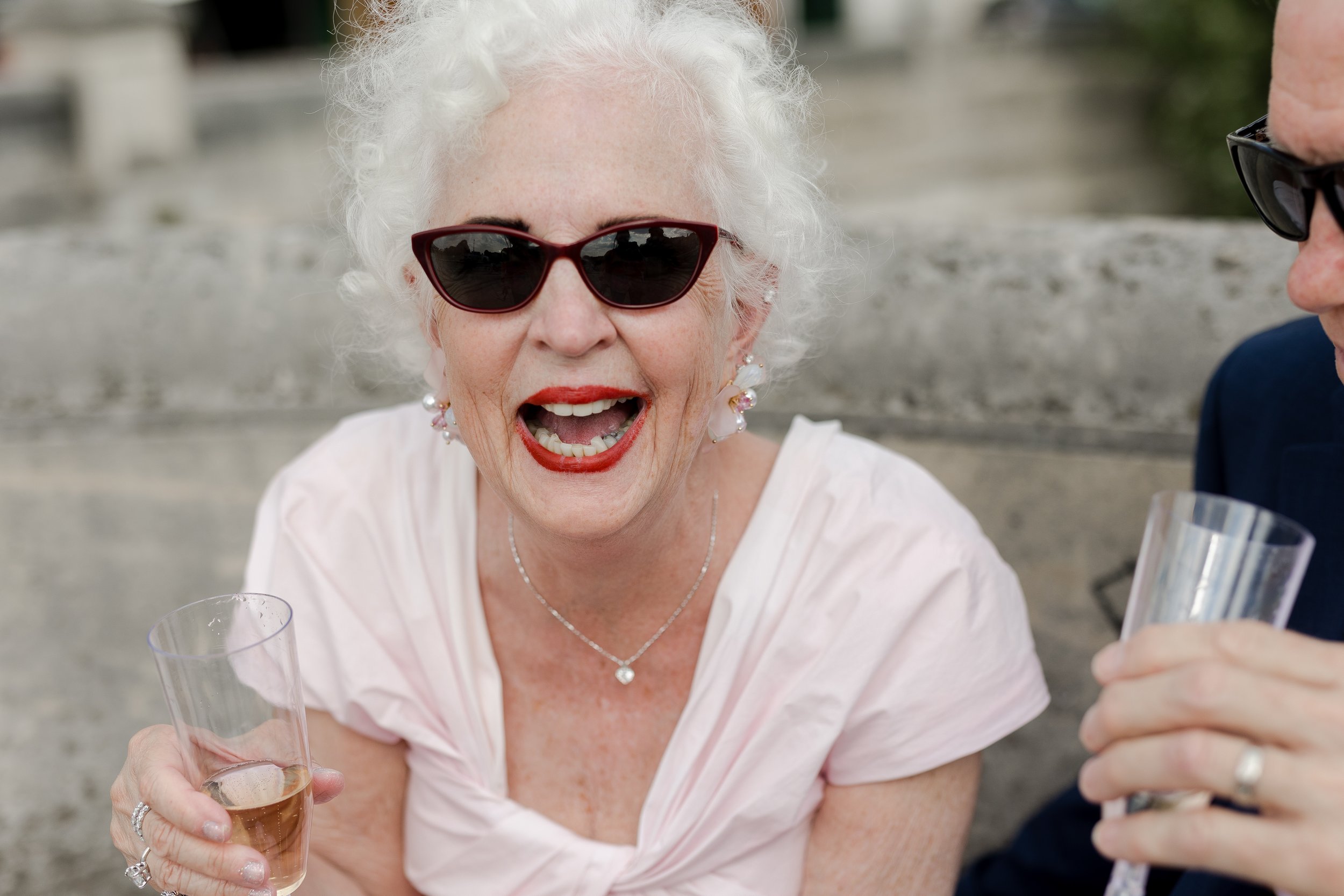
Discovering French wine regions as a beginner is such a fun journey to embark on! Now that I’ve lived in France for over a decade (and enjoyed LOTS of wine), I would LOVE to be your guide.
You probably understand by now that France takes food and drink VERY seriously. I may be a little biased but I do think they’re on to something.
I think there’s no better way to discuss grapes than by going straight to the source. From the sun-kissed slopes of Bordeaux to the picturesque valleys of Alsace, France boasts an impressive array of wine regions that cater to every palate. Let’s discover them together!
Where to start learning about wine?
If you like drinking wine but don’t really know any of the names or varieties, then this is a great place to start! There are SO many different wines…pinot gris, sauvignon blanc, pinot blanc, chenin blanc, petit verdot, pinot meunier, bourgogne rouge… What does it all mean? We won’t get into all of this, because it’s a multi-year trade for a reason. But you’ll soon have a basic understanding of major wine regions and characteristics within the world of French wines to make more informed decisions.
You probably won’t be like one of those wine professionals right away. But you will have some French wine basics and be able to teach your friends about a specific region next time you go wine tasting or open a bottle at home.
What you’ll find in this blog:
- Discovering the French Wine Region of Bordeaux
- Discovering Burgundy: All About Pinot Noir
- Discovering Champagne: The Sparkle of French Wine
- Discovering the French Wine Region of Alsace
- Discovering the French Wine Region of the Rhône Valley
- Ready to Book Your Paris Photoshoot?
Let’s uncork the magic of French wine and learn a little bit about each wine region!
LOOKING TO BOOK A UNIQUE WINE TOUR EXPERIENCE?
We would highly recommend Bacchus and Clio, make sure to tell them we sent you!
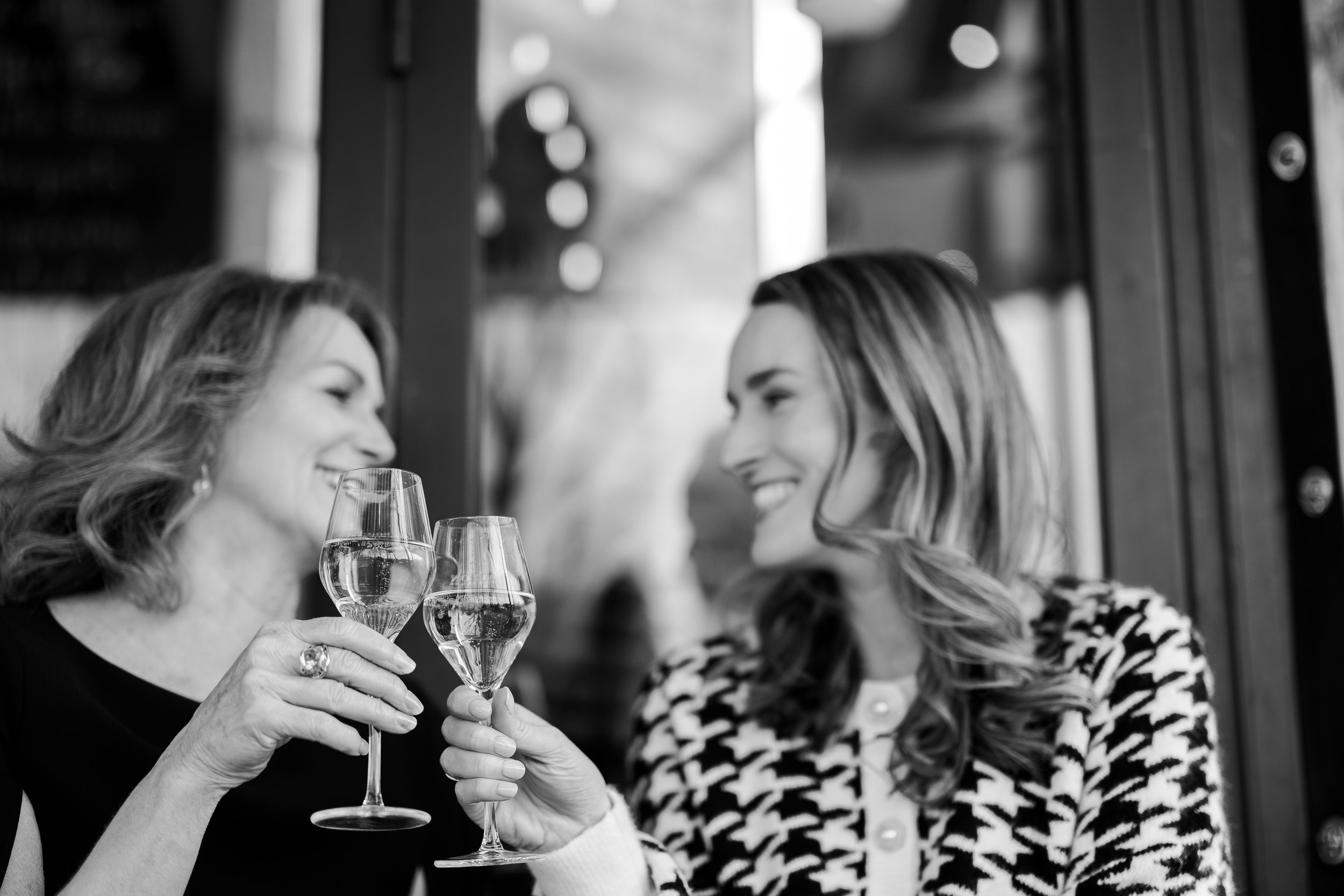
1. Bordeaux: A Traditional French Wine Region
Bordeaux in particular has a special place in my heart, so I’m always encouraging people to visit.
When I first traveled to Bordeaux, I somehow ended up sipping wine on a balcony with two young sommeliers (one from Toulouse and one from Bordeaux) as they fiercely debated the methods of traditional wine processing. After almost an hour of arguing, they decided to call one of the famous wine Châteaus in France to settle the debate for them. They placed bets on the right answer and several friends and neighbors ended up getting involved too. The sommelier from Toulouse even put his own hair on the line, saying that the other sommelier could shave it all off if he got the answer wrong.
A mistress at the chateau settled the debate for them over the phone. The next thing I knew, the Toulouse sommelier was getting all his hair shaved off by the victorious sommelier from Bordeaux. It was a pretty iconic moment and made me realize just how seriously French people take wine.
And the moral of the story is…don’t debate wine with someone from Bordeaux. You might end up losing all your hair.
All about bordeaux
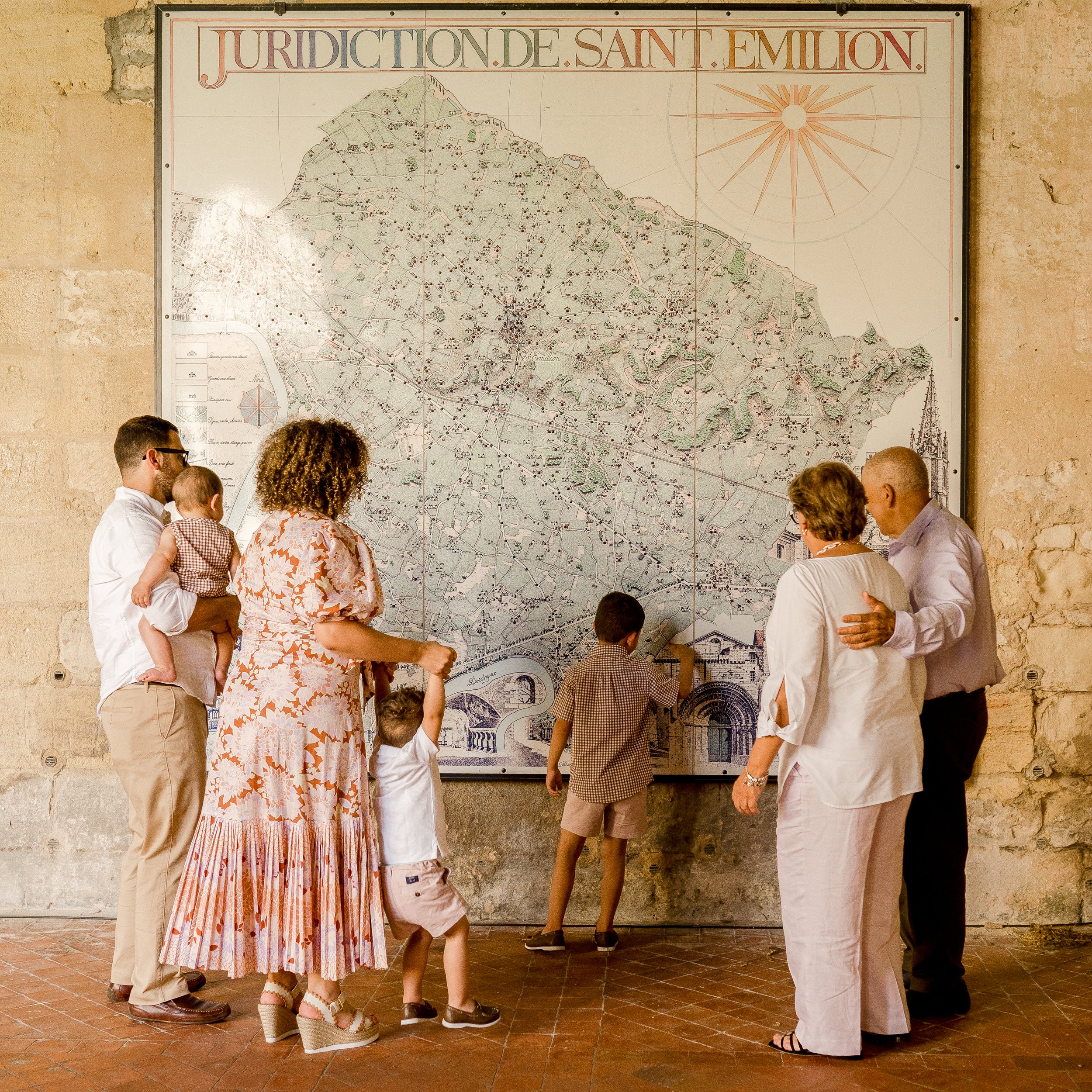
Okay, so now about Bordeaux. Just the name conjures up images of lush vineyards and centuries-old châteaux. Since Bordeaux is a huge French wine region, you’ll find some of the world’s most renowned red wines. These include Cabernet Sauvignon, Merlot, and Cabernet Franc. Whether you’re sipping a velvety Pomerol or a robust Médoc, Bordeaux wines promise a sensory experience like no other.
Bordeaux is in the southwest of France, right by the Atlantic Ocean. Interestingly, the Garonne and Dordogne rivers contribute to humidity levels and provide water for irrigation if needed.
Bordeaux’s landscape includes a variety of soil types. Like gravel, clay, limestone, and sand. Each soil type imparts distinct characteristics to the grapes grown in them, affecting the flavor, structure, and quality of the wine. For example, gravelly soils in the Médoc region are ideal for growing Cabernet Sauvignon grapes. But clay soils in other areas may be better suited for Merlot.
If you get a chance to visit Bordeaux, I highly recommend popping into a local wine shop. It’s the perfect place to ask about different types of wine and get some advice on the best wineries in the French wine region.
If you want some more info on Bordeaux, go check out our blog on weekend getaway trips from Paris HERE
2. Burgundy: French Wine Region of Pinot Noir
If you’re a Pinot Noir aficionado, Burgundy is your paradise.
Located in eastern France, this French wine region is celebrated for its elegant and nuanced wines. From the prestigious vineyards of Côte d’Or to the charming villages of Côte Chalonnaise, Burgundy offers a diverse range of expressions. Each reflects its unique terroir. The French wine region is also prestigious for its Chardonnay.
Unlike Bordeaux, which is known for its blend of grape varieties, Burgundy is known for its purity.
Burgundy is ONLY made with the pinot noir grape variety.
The wine profile is generally less dramatic than Bordeaux and more complex in flavor.
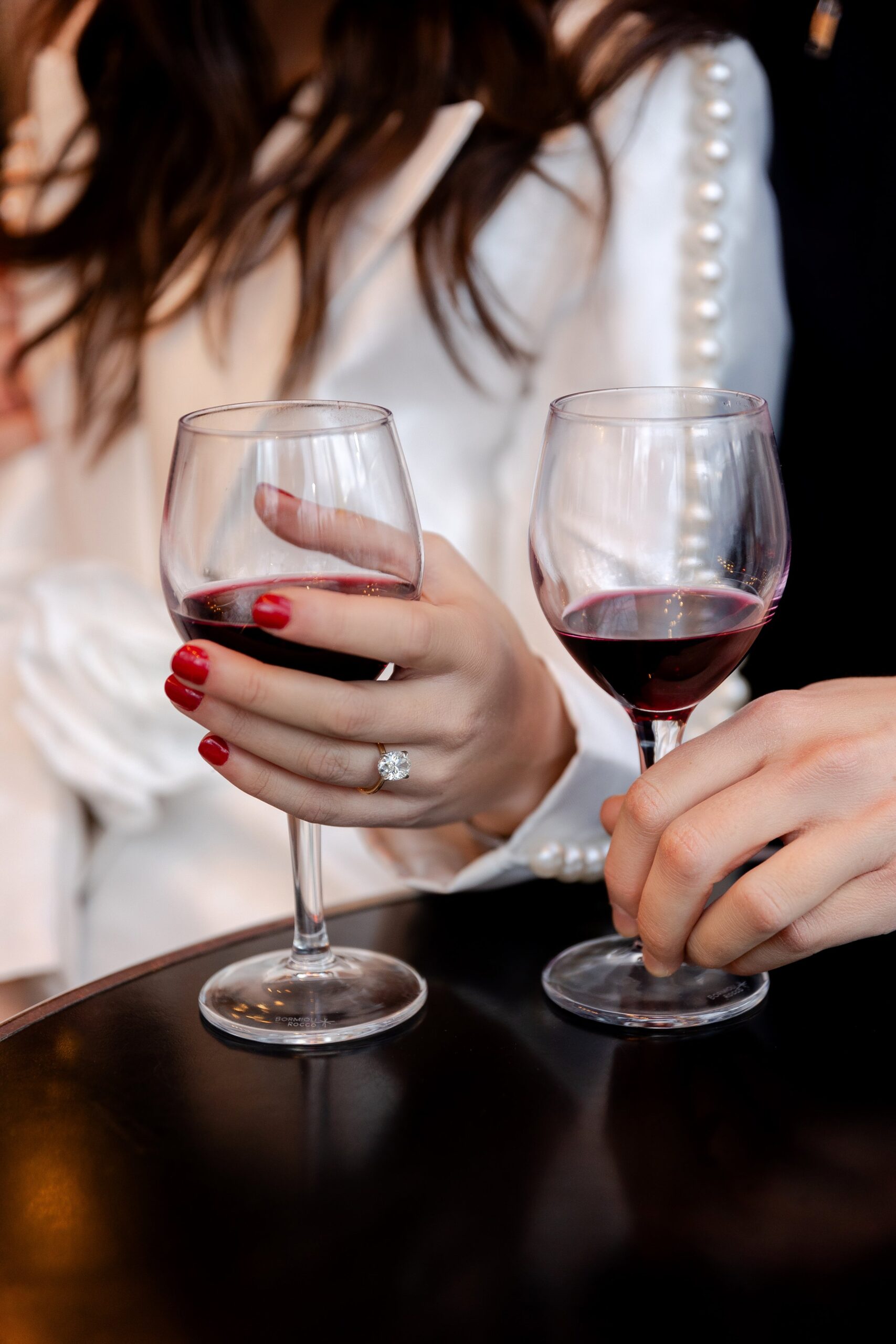
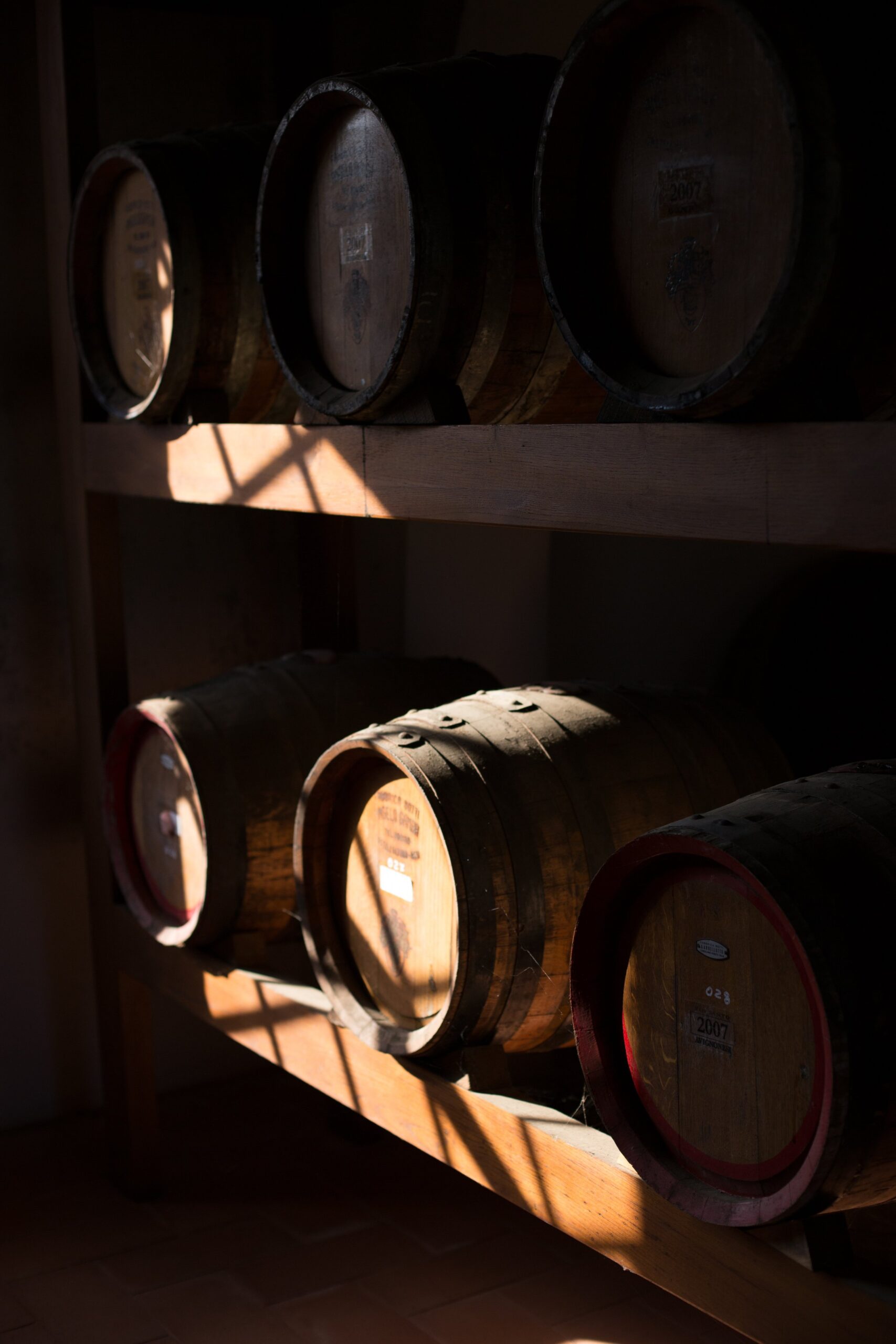
It seems like the French like to take sides on this issue (because why not make everything into a debate). Some people are loyal to Bordeaux while others would take Burgundy to their grave as being the better wine. But honestly, any connoisseur in the wine world should appreciate the value of both wines. They may be different, but they are both major French wine regions and they both produce high quality great wine.
In terms of size, the Bordeaux wine region is significantly larger than the Burgundy wine region. Bordeaux vineyards take up nearly 300,000 acres. Burgundy vineyards only cover about 73,000 acres.
Just to give an idea of size, Burgundy covers a narrow strip of land between the cities of Dijon and Lyon.
So, pour yourself a glass of silky Burgundy and savor the essence of this small, unique French Wine Region.
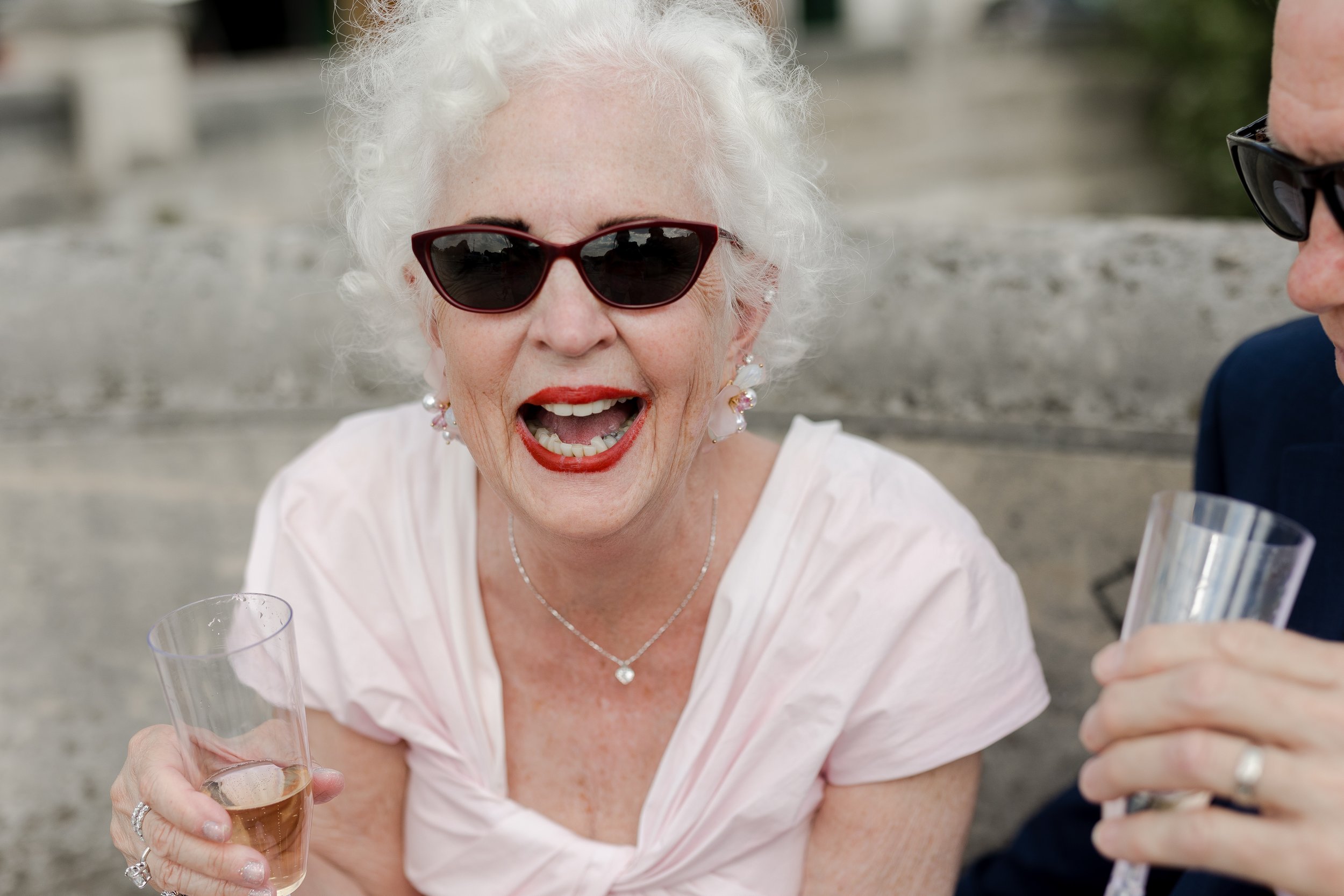
3. Champagne: The Wine Region of Bubbles and Celebration
No guide to French wine regions would be complete without mentioning Champagne! Nestled in the northeast, Champagne is synonymous with celebration and luxury. Here, amidst rolling hills and chalky soils, they craft the world’s finest sparkling wines using the traditional méthode champenoise.
This process starts with the production of a base wine through the fermentation of grapes. They typically harvest the grapes earlier than grapes for non-sparkling wines. They bottle the base wine with the addition of a mixture of sugar and yeast, known as the liqueur de tirage. This mixture triggers a second fermentation in the bottle. And this results in the production of carbon dioxide, which creates bubbles. That’s how you get a sparkling wine!
After bottling, the wine ages, which can last for several months to several years, depending on the style of wine being produced.
They add a small amount of wine and sugar solution to adjust the sweetness level of the final wine. The amount of sugar actually determines the wine’s sweetness level, ranging from brut (very dry) to doux (sweet).
What’s all the Fuss about Champagne?
Whether you’re toasting a special occasion or simply indulging in a moment of luxury, Champagne is such a perfect choice – especially in the warmer months!
French people traditionally drink Champagne during celebrations and special occasions, such as weddings, New Year’s Eve, birthdays, anniversaries, and other festive gatherings.
One of my favorite holiday traditions in France is to have oysters and champagne for New Years. It’s just so classy and special!
Pro-Tip:
You often have to reserve at nice restaurants well in advance for New Years. They fill up SO quickly because everyone in the city wants the champagne and oyster tradition.
Curious about New Years Celebrations in France?
Check out our blog HERE for everything you need to know about NYE in France!
French people also commonly enjoyed wine as an apéritif before meals or during toasts at formal events.
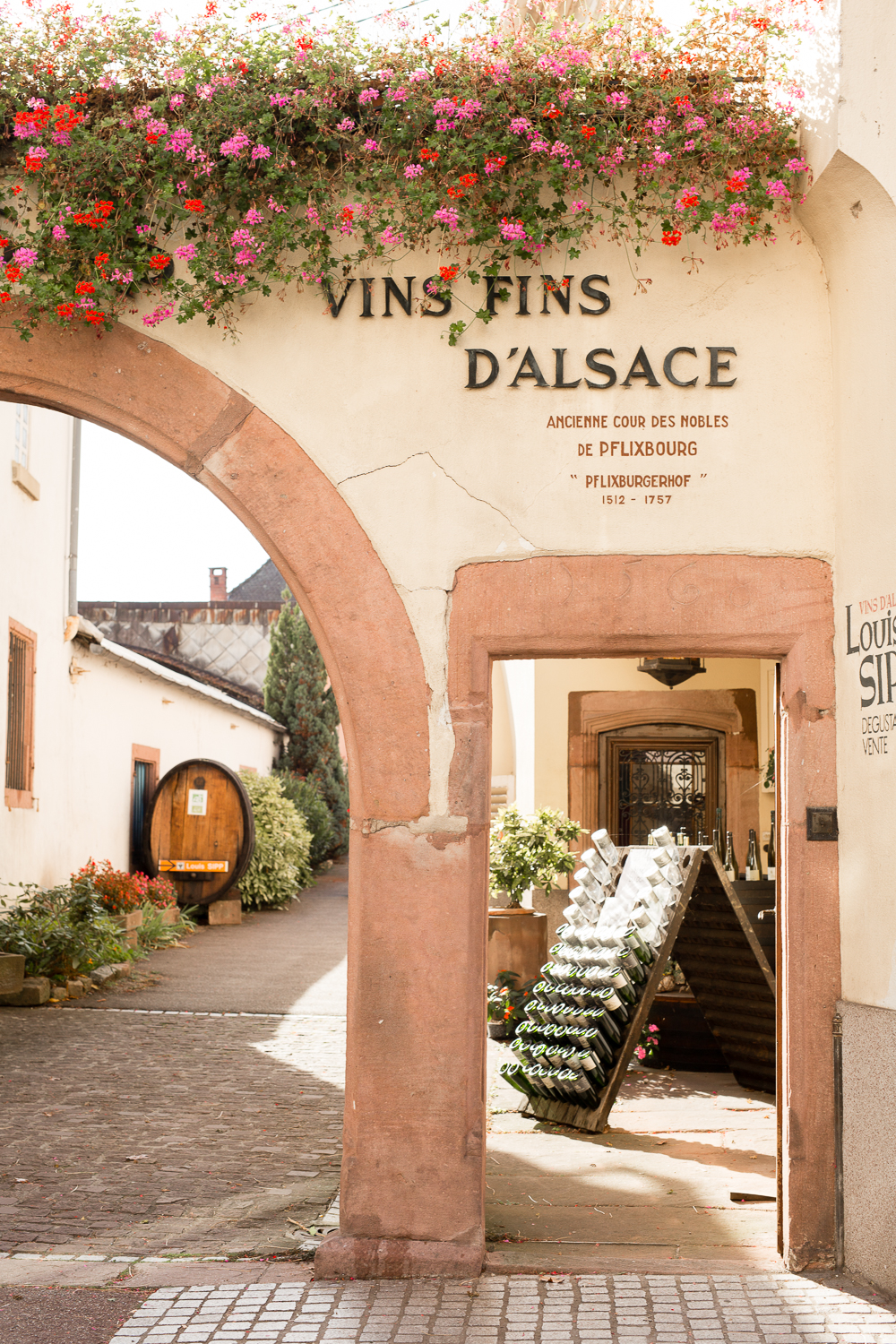
4. Alsace: A French Wine Region of Aromas
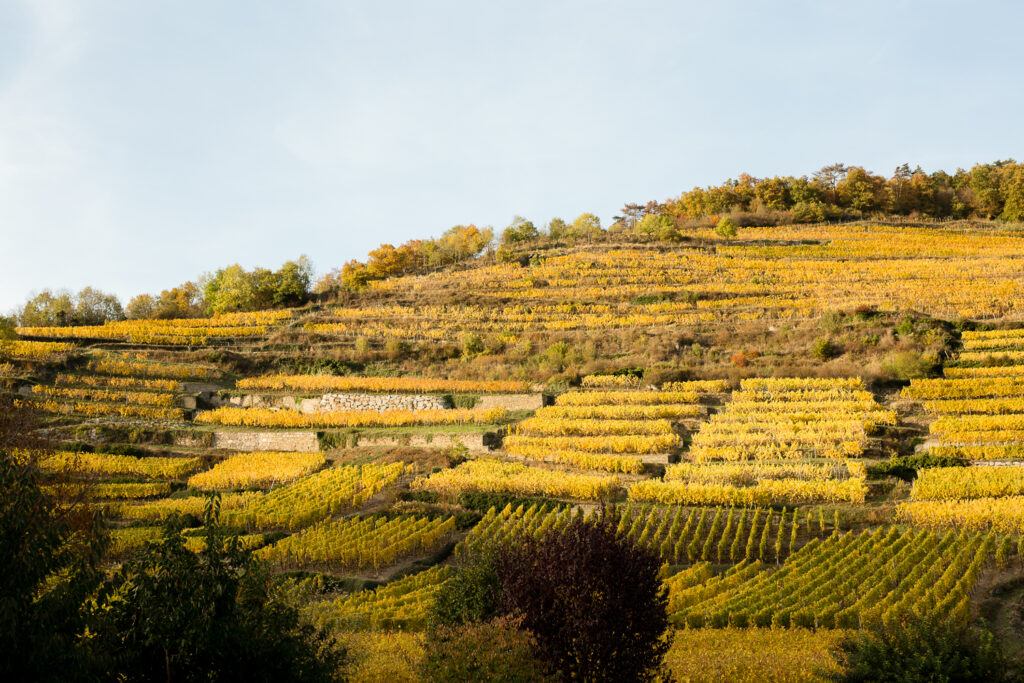
Tucked away in the northeastern corner of France, Alsace is a hidden gem waiting to be discovered. Known for its aromatic white wines, Alsace boasts a rich array of flavors, from the floral notes of Gewürztraminer to the crisp acidity of Riesling.
What really sets Alsace apart is its unique blend of French and German influences, reflected not only in its wines but also in its charming villages and hearty cuisine. It’s just so close to the German border, so the cultural influence of this French Wine Region is really interesting.
Unlike many other French Wine Regions, Alsace primarily produces dry wines, with only a small percentage of its wines being off-dry or sweet. This dry style allows the expression of the grape’s natural flavors and the terroir of the region.
Alsace wines come in tall, slender bottles known as “flûtes d’Alsace.” These bottles are sleek and elegant, with a long neck and a gently sloping shoulder. The design of the bottles is believed to have originated in the 18th century and is now an iconic symbol of Alsace wine.
5. Rhône Valley: A Diverse French Wine Region
Last but certainly not least, we have the Rhône Valley, a treasure trove of diversity and flavor. Stretching from Lyon to the Mediterranean coast, the Rhone Valley is divided into two distinct regions: the Northern Rhône, famous for its peppery Syrah wines, and the Southern Rhône, known for its robust blends, particularly Châteauneuf-du-Pape.
Whether you prefer the earthy notes of a Côte-Rôtie or the boldness of a Gigondas, the Rhône Valley French Wine Region has something for every palate.
Something I find so interesting is that the Rhône Valley is influenced by the Mistral winds, which can have a significant impact on the vineyards. These strong, cold winds in the South of France (which, by the way, are so famous they have a name!) can help reduce disease pressure and regulate temperatures, but they can also make vineyard management difficult.
In recent years, Rhône-style wines have gained popularity outside of France, particularly in regions like Napa Valley in California.
Fun Fact:
When you clink glasses in France, it is VERY important to make eye contact with the person you’re toasting at the exact moment the glasses touch. It’s somewhere between a superstition and a social litmus test. If you don’t make eye contact, you’ll supposedly have bad luck of some kind.
I learned this very quickly after moving to France and now I can’t toast without doing it. I don’t know why the French care so much about this…but they do.
People often say “tchin tchin” or “santé”, but sometimes they’ll go so far as to say “dans les yeux!” This translates to “in the eyes” just to make sure everyone is following the strict rules of tradition. So just make eye contact next time you’re doing a toast and you’ll be in the clear!
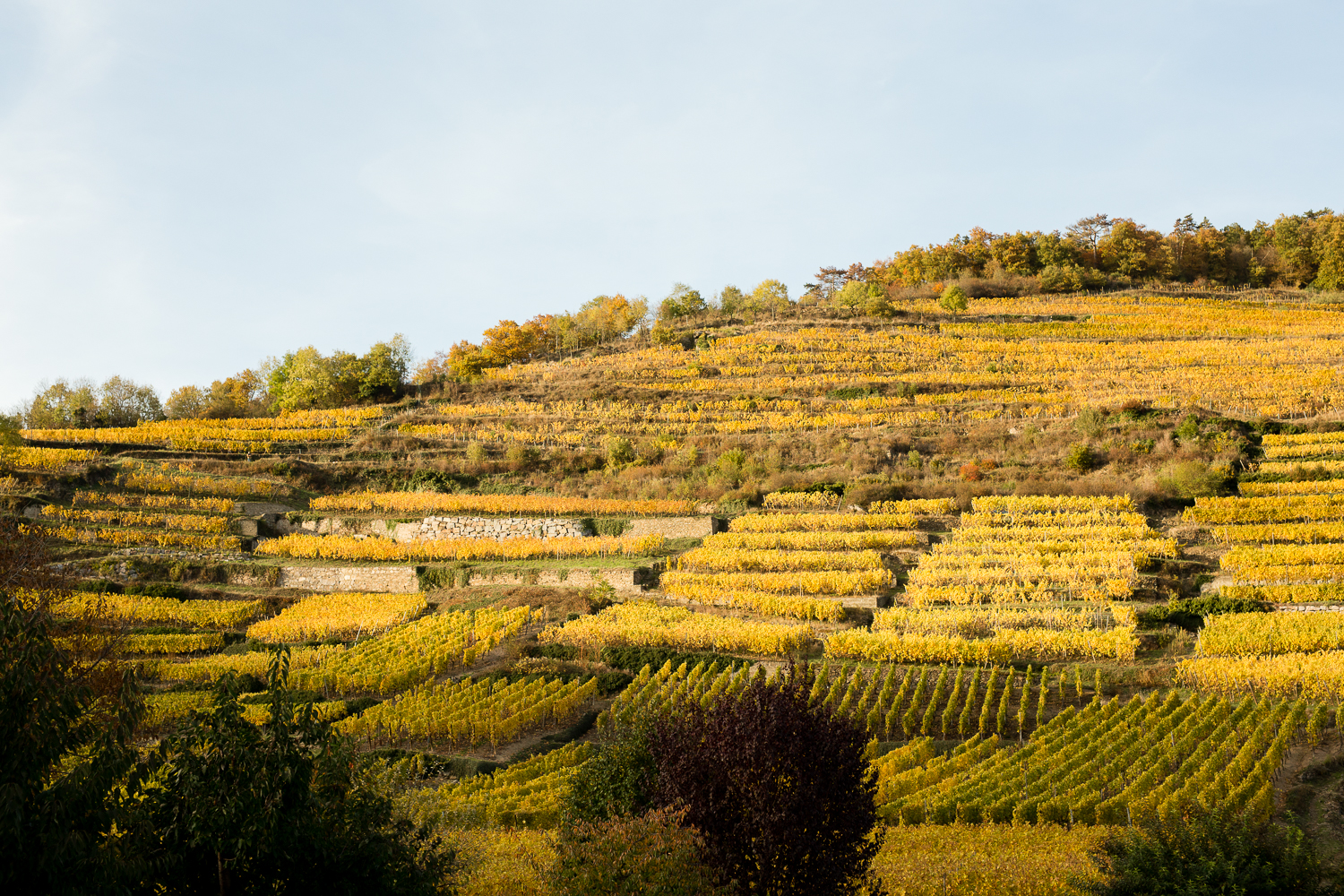
With its rich history, diverse terroir, and unparalleled craftsmanship, each sip of French wine tells a story of tradition, passion, and landscape. So, the next time you uncork a bottle of Bordeaux or pour yourself a glass of Champagne, take a moment to savor the essence of the French Wine Region in every drop.
Santé!
Ready to book your Paris photoshoot?
Click HEREto book your indoor or outdoor portrait session with us at Katie Donnelly Photography while you’re in Paris!
Let us capture your memories and bring your vision to life!